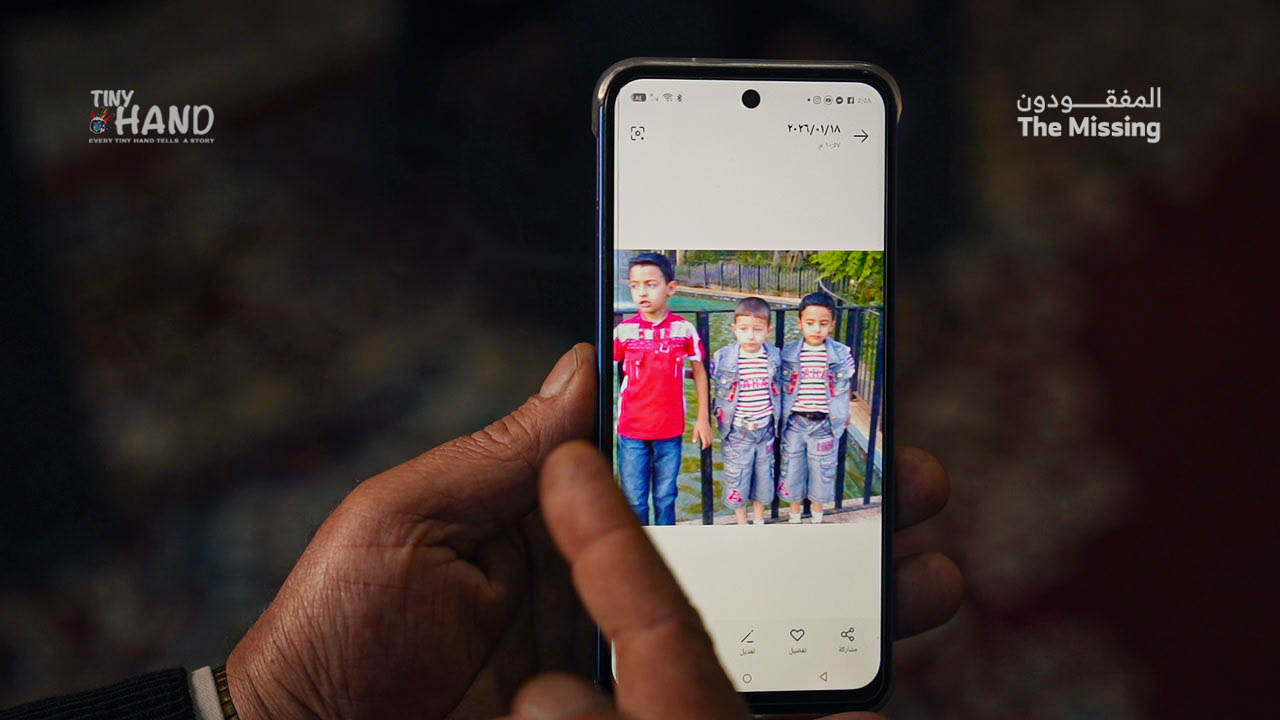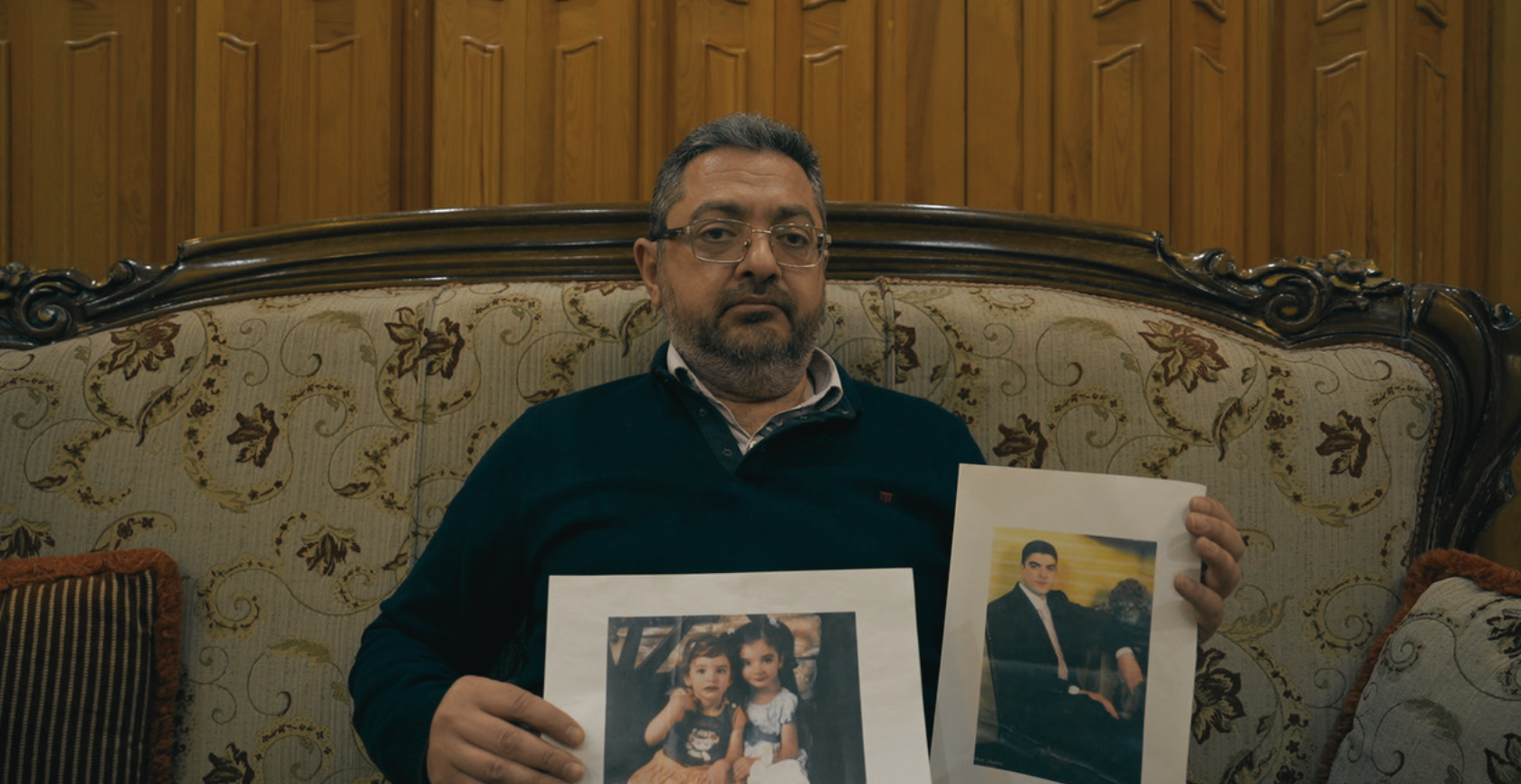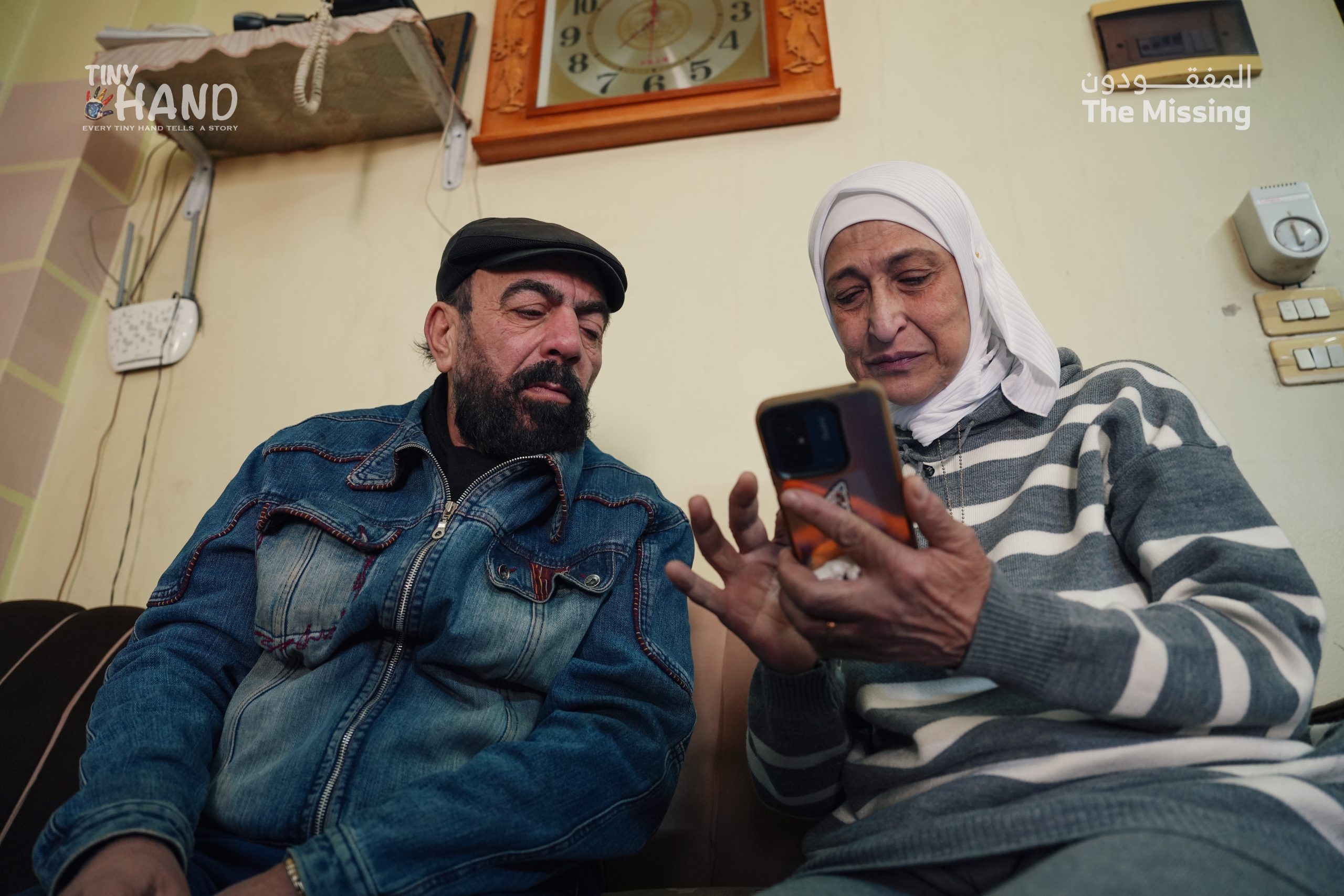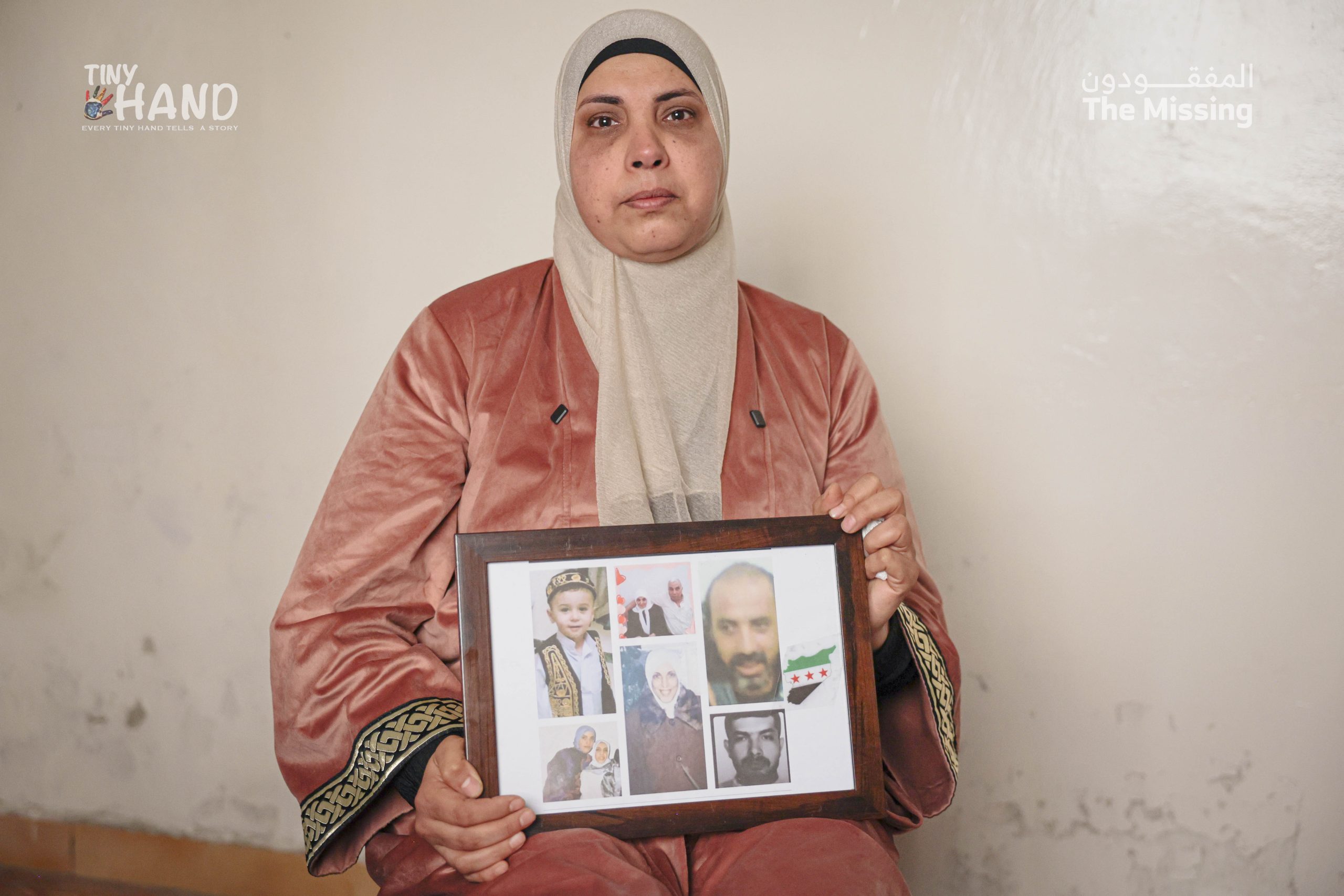
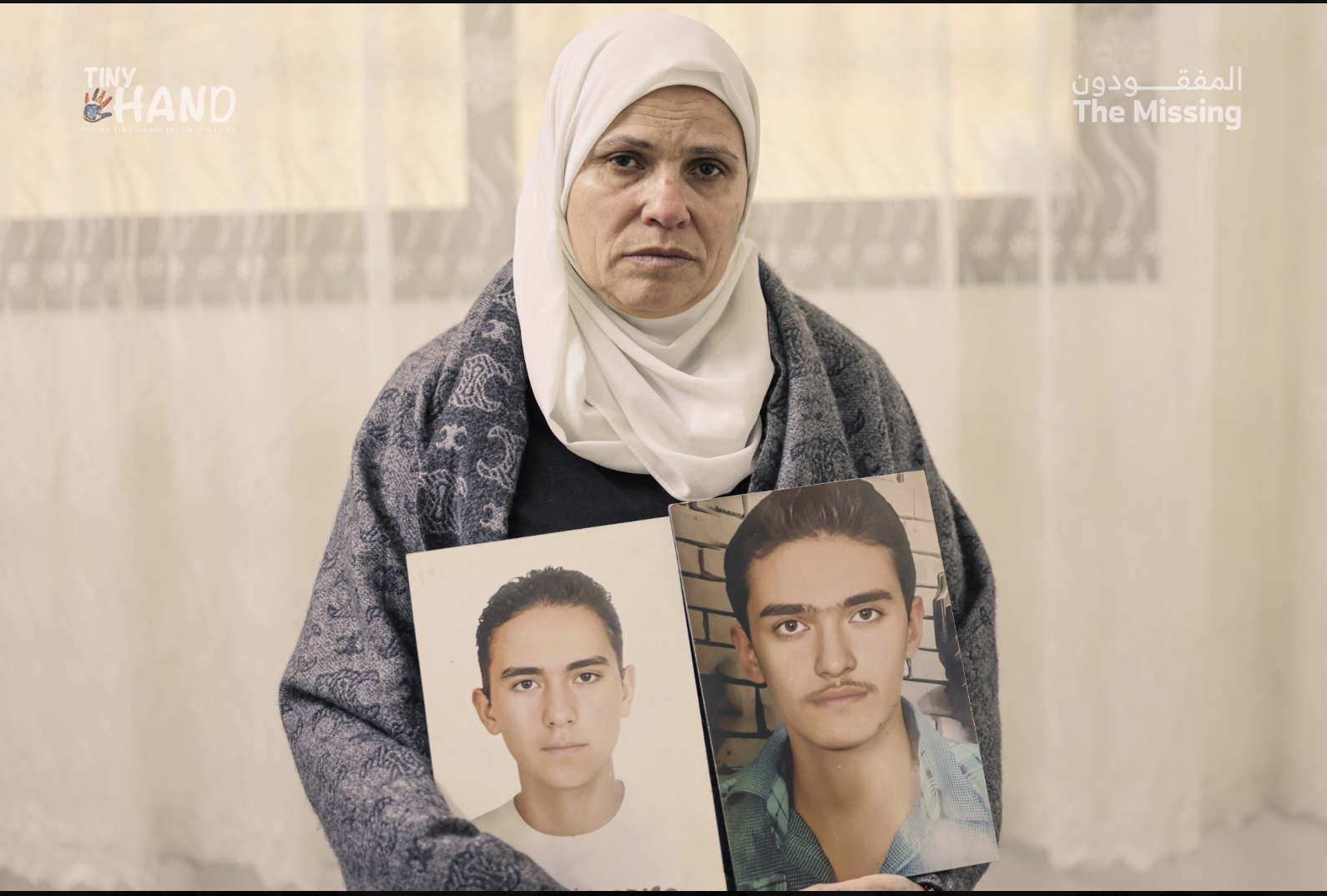
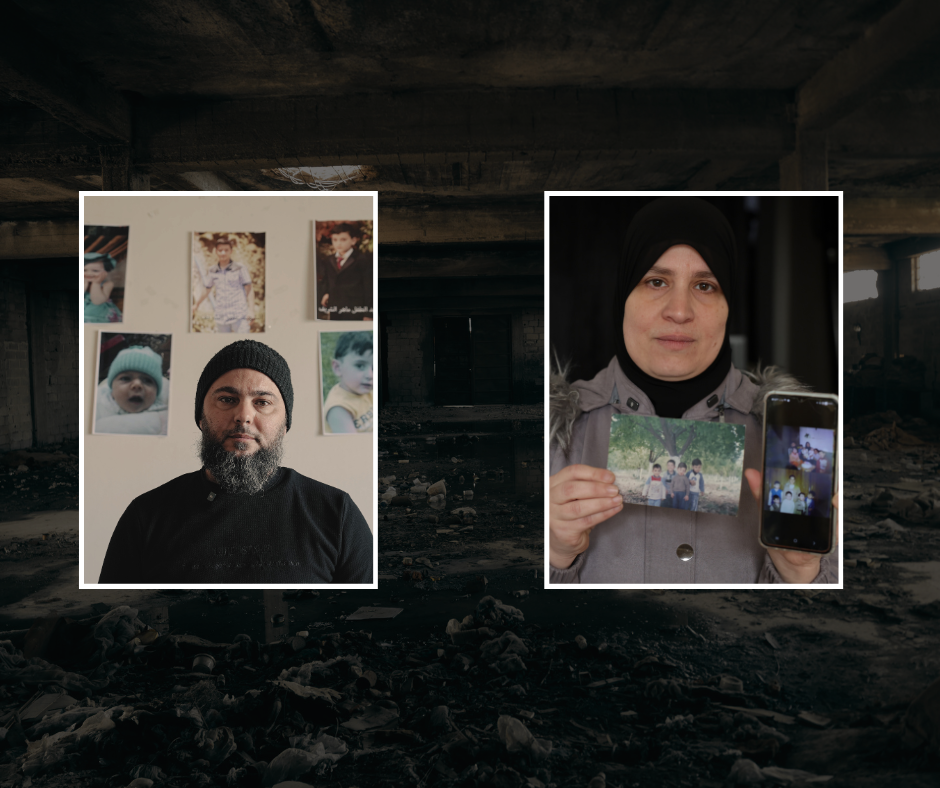
In the winter of 2013, dozens of families fleeing bombardment searched for any safe place in the countryside of Damascus. Inside a factory in the Adra area, entire families from Jobar, Arbeen, and Ain Terma gathered together.Women, children, elderly men, and infants. The place was cold and poor, but it seemed safer than the daily death in Eastern Ghouta. They did not know that the factory would later become the last place they would ever be seen alive. On February 4, 2013, entire families disappeared from inside that factory after it was surrounded by forces of the former Syrian regime and checkpoints controlling the area. Among the missing were the families of Adnan al-Sharif and al-Rabee’, along with several other families. Children only months old disappeared there, including Abada al-Arabini, a baby no older than two or three months, his five-year-old sister Lana, and seven-year-old Ali. Entire families vanished together — grandmothers, fathers, mothers, children, and pregnant women. Some accounts spoke of the men being killed first, while women and children were taken to an unknown location. But until today, no confirmed account exists of what truly happened inside the factory. Esaf Hamoudeh, who lost her grandmother, her uncle, his wife, and their six children, says the families spent years chasing every possible lead. They visited mass graves, orphanages, prisons, and searched through lists and photographs. Esaf Hamoudeh: “We run after every piece of information.” Adnan still returns to the place where his family disappeared. He stands in front of the factory as if the souls are still there. “I can feel their screams here… I feel like their photos on the walls are blaming us because we still couldn’t do anything for them.” After the fall of the former Syrian regime, hope returned for a brief moment. The families believed that opening the prisons would finally reveal the truth. But nothing appeared. No names.No documents.No graves. Only conflicting stories about prisons, checkpoints, and children who may have been transferred to orphanages or taken into the homes of security officers. Esaf says she is no longer searching only for survivors. “Even if they were killed… we want to know what happened to them.” Today, more than 14 years later, the families still carry the same photographs of those children. Children who should be young adults by now. But they remain frozen in their families’ memories… exactly as they were on the day they disappeared inside the factory….