
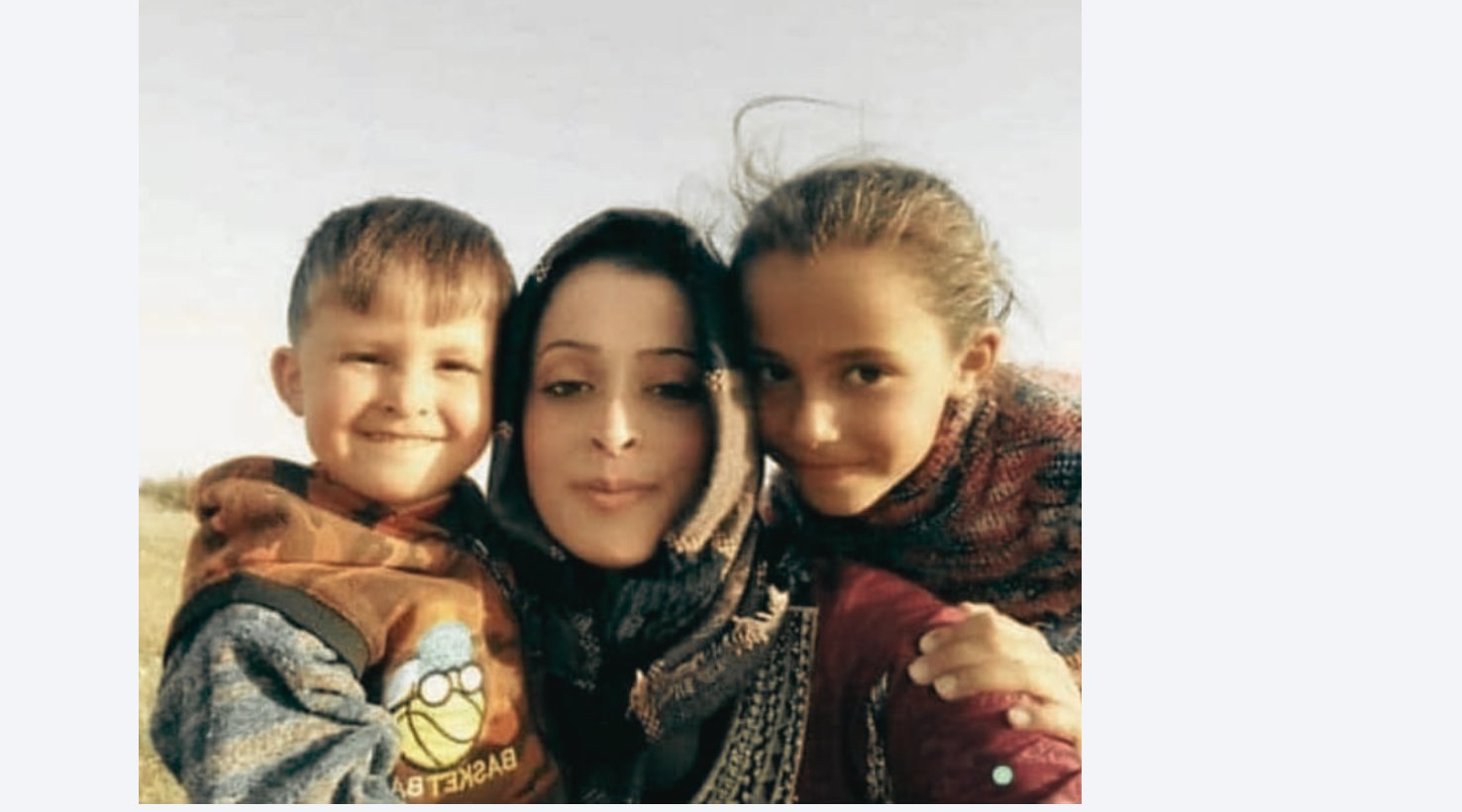
On July 15, 2024, Maryam Jdei was returning to Homs from northern Syria with her two children, Nour and Hussein, after attending a family wedding in Manbij. Her husband, Mithkal al-Khalawi, was waiting for them in Homs, following their journey minute by minute over the phone, like any father counting the moments until his children return home. Nour was ten years old, a fifth-grade student. Hussein was only six. Before reaching Homs, the family crossed through the Tabqa crossing and approached checkpoints controlled by the former Syrian regime along the Raqqa–Salamiya road. In their final call, Maryam told her husband they were nearing a checkpoint. “We’re at the checkpoint now… I’ll turn off the phone for a bit.” She was afraid security personnel would see her speaking on the phone, Then the line went dead. From that moment on, every phone became unreachable. Maryam disappeared, So did the children, As if the road itself had swallowed them. Mithkal says that at first, he could not understand what had happened. He waited for hours at the Homs bus station, convinced the bus had simply been delayed. But night came. And no one arrived. Later, he returned to the crossing where the family had last been seen. There, he was shown surveillance footage confirming that Maryam had crossed into regime-controlled territory carrying the family documents, with the two children beside her. “They were alive… I saw them with my own eyes on the cameras.” It was the last trace of them ever seen. Since that day, Mithkal’s life has become an endless search. He sold what he owned. Spent large amounts of money chasing rumors and false leads. Moved between prisons, checkpoints, and security branches. Searched through lists, photographs, hospitals, and unidentified bodies. Nothing. He says the loss was not only his family. “I lost my home… my work… my health… everything.” Mithkal once owned a small business in the Homs countryside. He stopped working completely after his wife and children disappeared. Today, he lives alone, surrounded by photographs of two children he no longer knows are alive or dead. Sometimes, he says, the waiting itself feels like another form of torture. “I reached a point where I started wishing they were dead… just so I could know where they are.”…
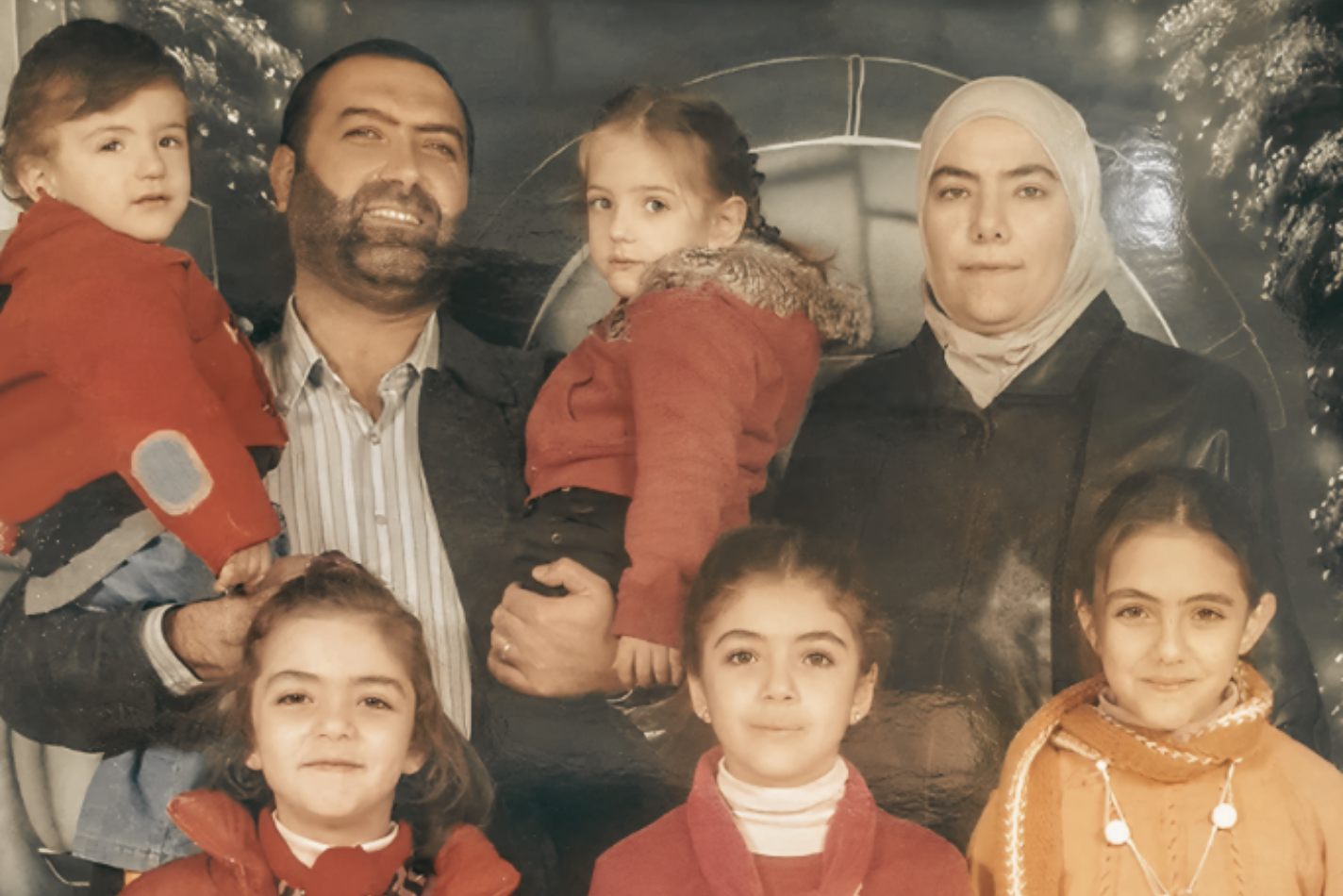
In 2013, Syrian dentist Rania al-Abbasi disappeared alongside her husband and six children inside the detention system of the former Syrian regime, becoming one of the country’s most well-known cases of enforced disappearance. Rania was not an ordinary figure. She was a respected dentist in Damascus, a former Syrian chess champion, and a mother of six children ranging in age from three to fifteen. The family lived in the Damascus neighborhood of Mashrou Dummar, far from any political activity. But as the Syrian war deepened, even ordinary families found themselves pulled into the machinery of arrest and disappearance. In March 2013, her husband, Dr. Abdulrahman, was arrested after reportedly being accused of assisting a wanted individual. Two days later, security forces raided the family home again and arrested Rania along with all six of her children: Dima, Intisar, Najah, Alaa, Ahmad, and Lian. None of them have been seen since. Over the years, fragments of information emerged from former detainees who claimed Rania had been held inside detention facilities, while reports also circulated about children being heard in nearby cells. Unconfirmed reports later suggested that Abdulrahman may have died under torture after leaked “Caesar” photos from Syrian prisons surfaced publicly. The fate of the six children, however, remains unknown. As the years passed, the case became a global symbol of Syria’s detainee and disappearance crisis, particularly because it involved the disappearance of young children inside the prison system. Human rights organizations, including Amnesty International, repeatedly called for answers about the family’s fate. Following the collapse of the former Syrian regime, the case resurfaced widely among activists and journalists demanding access to prison archives and information about thousands of missing Syrians….
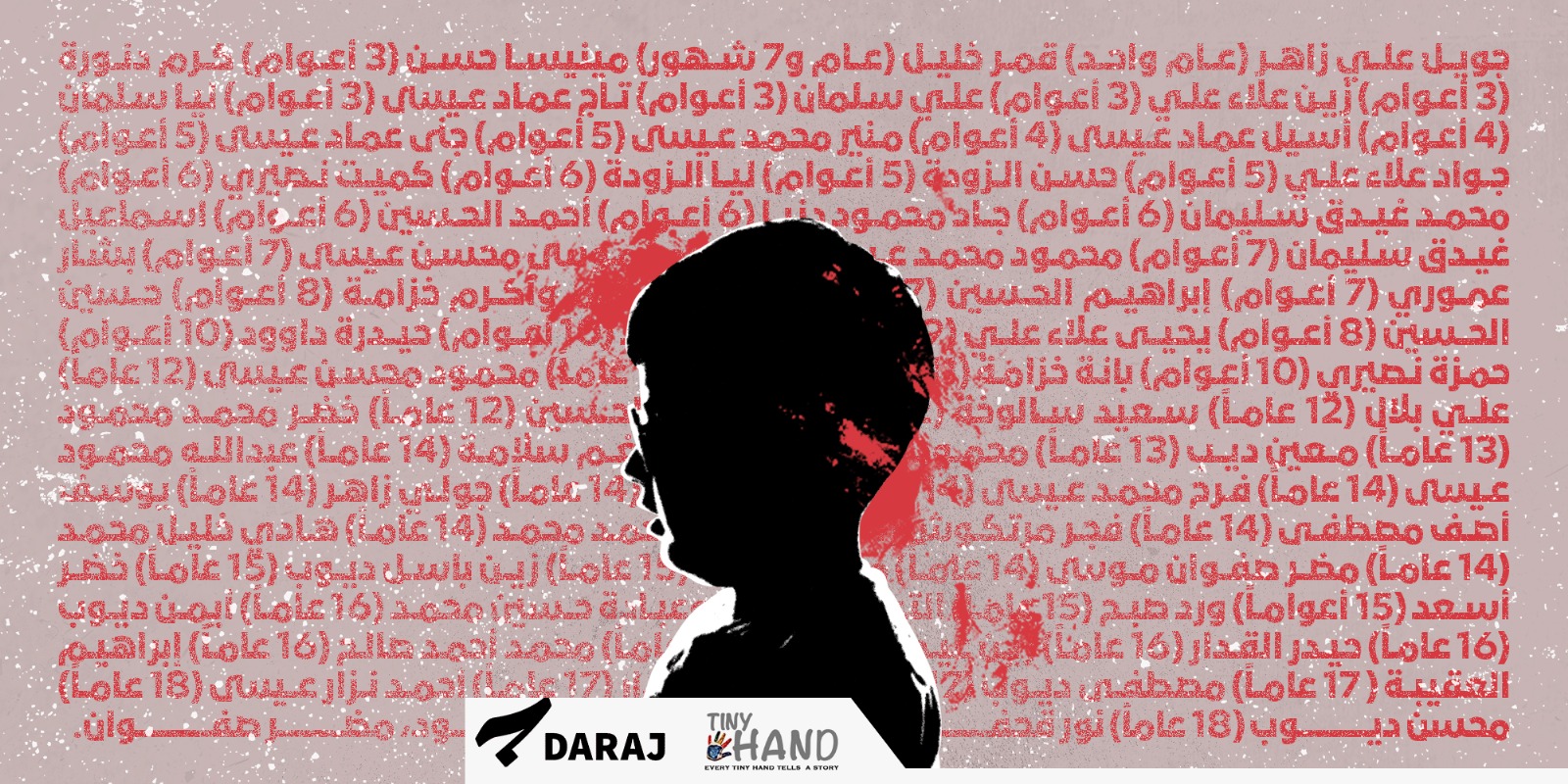
The Tiny Hand team, in collaboration with Daraj, collected over 50 testimonies documenting the killing of 60 children during the massacres in the Syrian coastal region. To this day, the perpetrators have not been held accountable. These were “unidentified” killers — witnesses interviewed could not determine their factional affiliations, alongside others from armed civilian groups who arrived in the coastal area. Amnesty International has called for their prosecution, considering the events of March 6, 7, 8, and 9, 2025, to be war crimes….

Led by Turkish doctor Fırat Sarı, a network of doctors, nurses, and ambulance drivers, has been accused of systematically admitting newborns into incubators for extended periods, even when their health did not require it. The scheme, allegedly driven by financial motives, exploited vulnerable families, unnecessarily prolonging the infants’ time in intensive care.
…
“They would enter homes and tell the women, if you have two children, we’ll kill one and leave the other, if you have five, we’ll kill three and leave two, and so on.” These were their commander’s orders, instructing them to kill every man over 18 and under 40….
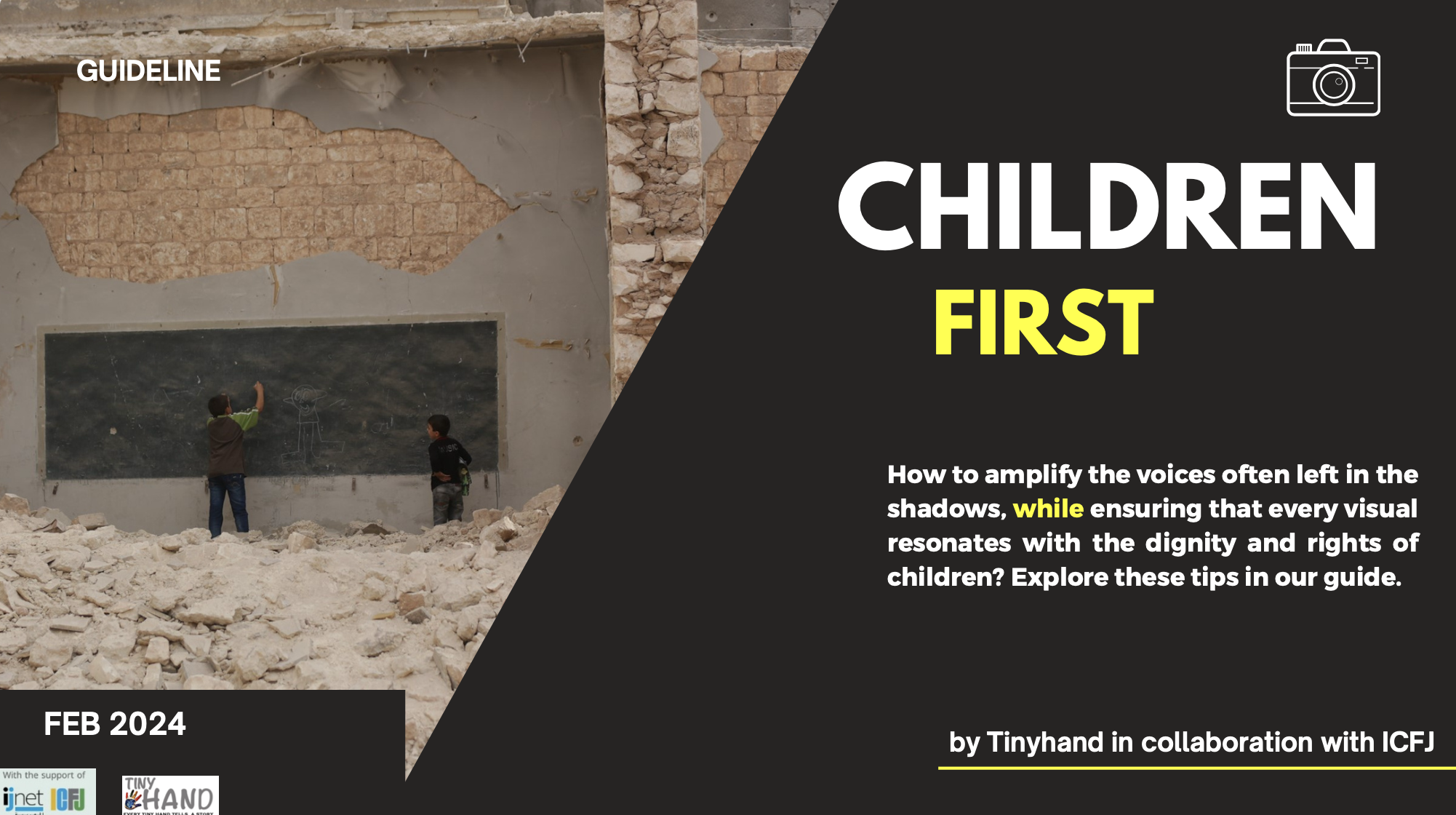
How to amplify the voices often left in the shadows, while ensuring that every visual resonates with the dignity and rights of children? Explore these tips in our guide….