
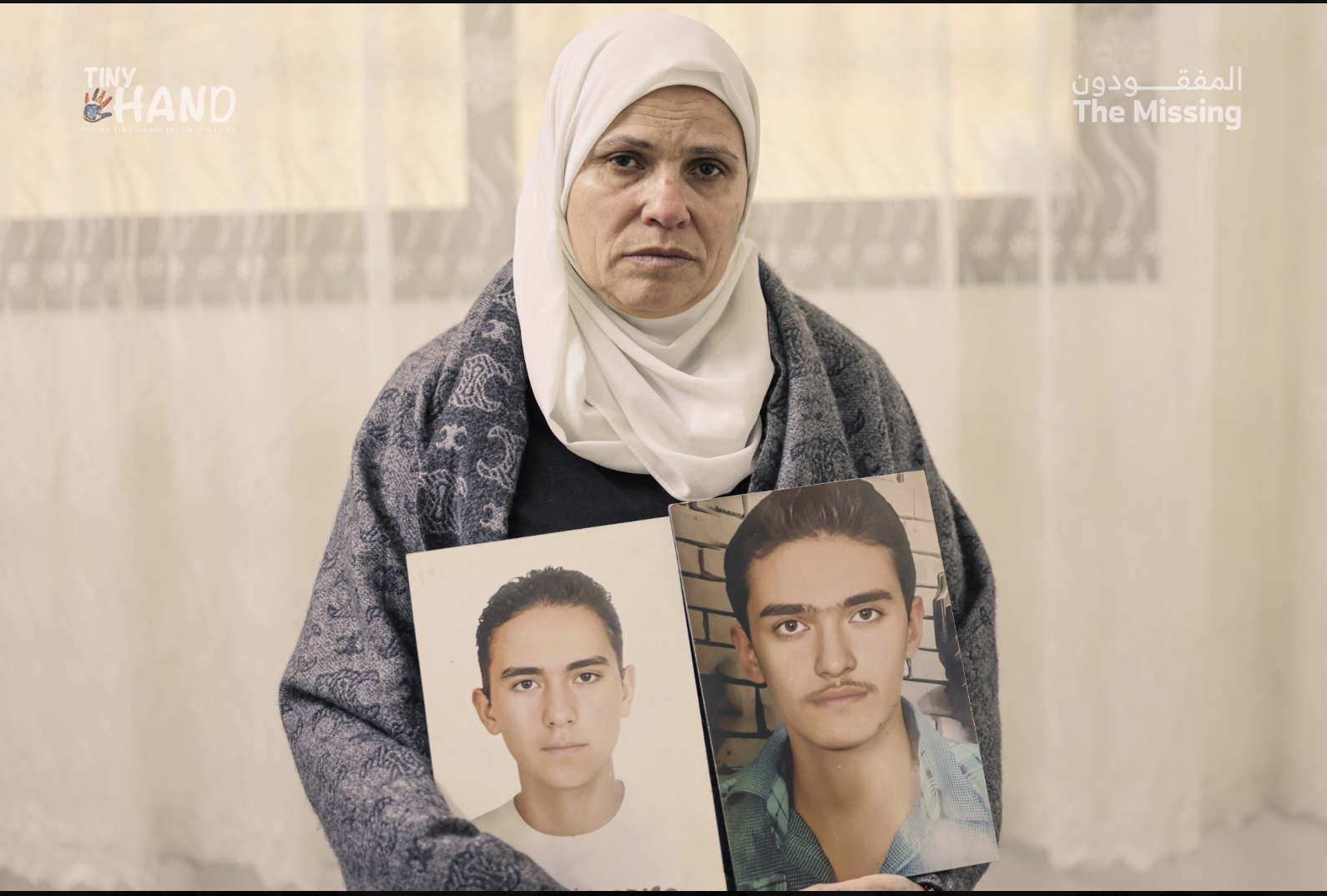
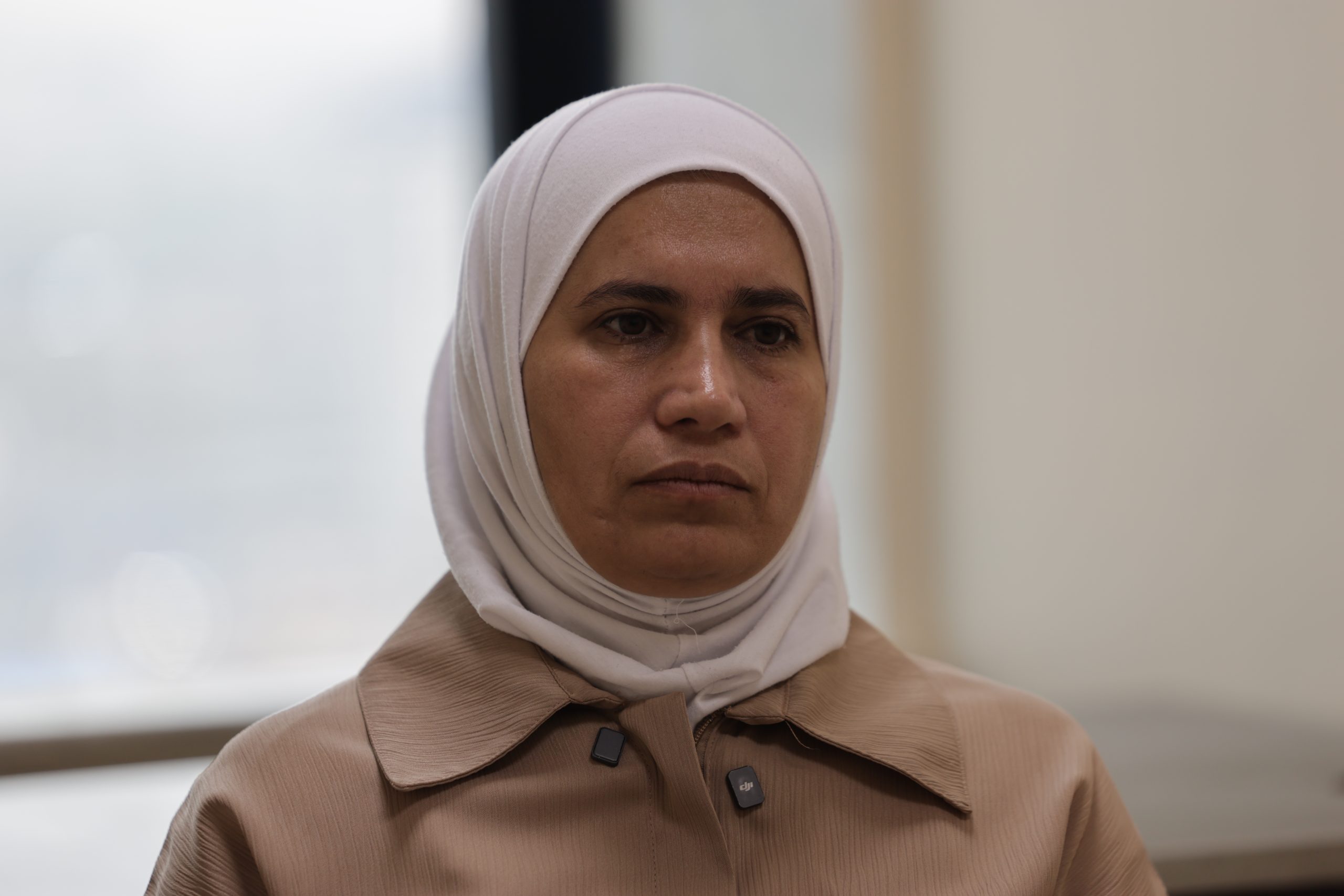
“Every day, we identify more children who belong to Syria’s growing file of the missing.” With these words, Mayasa Ahmad, a member of the Committee for the Search for Missing Children, describes a tragedy that continues to haunt hundreds of Syrian families years after their loved ones disappeared. “For parents, nothing is more precious than their children,” she says. “That is why finding them remains the highest priority, no matter how much time has passed.” As investigations continue, the committee has identified several categories of missing children. Some were arrested alone. Others disappeared alongside their families at checkpoints or during home raids. There are also infants detained with their parents and children born inside detention centers after their mothers were arrested while pregnant. “One of the most overlooked questions is what happened to the children who were born in detention,” Mayasa says. “Where did they go?” According to her, these families have suffered far more than the loss of their children. Many were subjected to extortion while desperately searching for answers. Some paid enormous sums of money to officials and officers in exchange for information or promises regarding the fate of their children. In one case, a family reportedly paid as much as $600,000. While the committee’s current work focuses on children who may have passed through care institutions, Mayasa stresses that the scope of the case is much broader. Hundreds of children remain unaccounted for, with no documentation proving whether they were transferred to care homes or taken elsewhere. The committee continues to investigate all possibilities, including the concealment of evidence and the alteration of identities. So far, the team has verified the status of around 200 children through direct outreach and phone-based investigations. Mayasa rejects efforts to limit the issue to the Ministry of Social Affairs and Labour alone. She believes the case requires comprehensive investigations and cooperation across multiple state institutions. The most painful cases, she says, involve children who disappeared together with their entire families. Many of these children were detained alongside their parents, yet when prisons were opened and detainees were released, neither the children nor their families reappeared. As a victim of enforced disappearance herself, Mayasa believes accountability is essential. “This was not the result of individual actions or isolated mistakes,” she says. “It was a systematic crime. In my view, it goes beyond a war crime or a crime against humanity. It reaches the level of a crime of extermination.” Today, she says, Syrian families are waiting for one thing above all else: “They are not looking for promises. They are waiting for the truth. They want to know one thing: Where are their children?” …