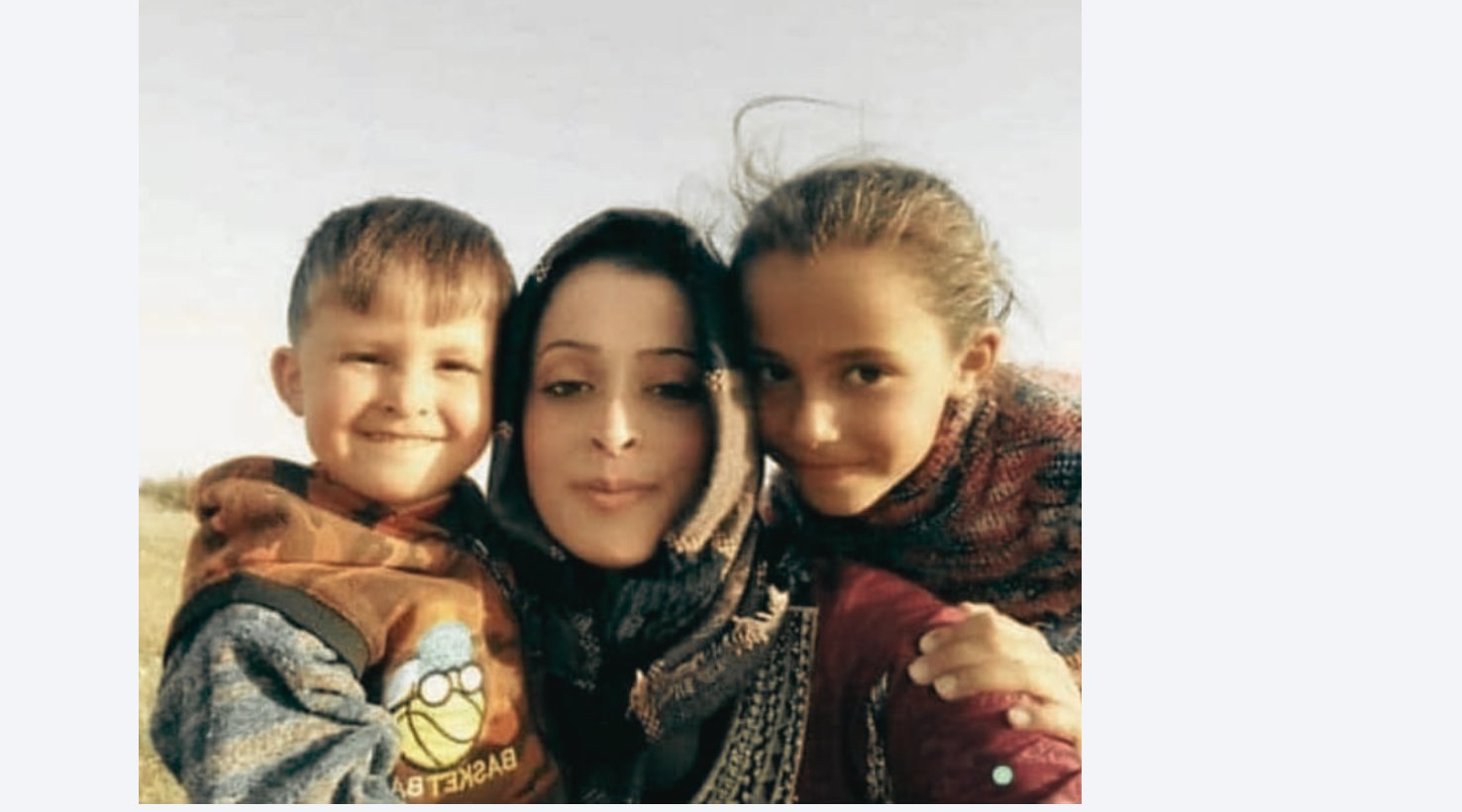
On July 15, 2024, Maryam Jdei was returning to Homs from northern Syria with her two children, Nour and Hussein, after attending a family wedding in Manbij.
Her husband, Mithkal al-Khalawi, was waiting for them in Homs, following their journey minute by minute over the phone, like any father counting the moments until his children return home.
Nour was ten years old, a fifth-grade student.
Hussein was only six.
Before reaching Homs, the family crossed through the Tabqa crossing and approached checkpoints controlled by the former Syrian regime along the Raqqa–Salamiya road.
In their final call, Maryam told her husband they were nearing a checkpoint.
“We’re at the checkpoint now… I’ll turn off the phone for a bit.”
She was afraid security personnel would see her speaking on the phone, Then the line went dead.
From that moment on, every phone became unreachable.
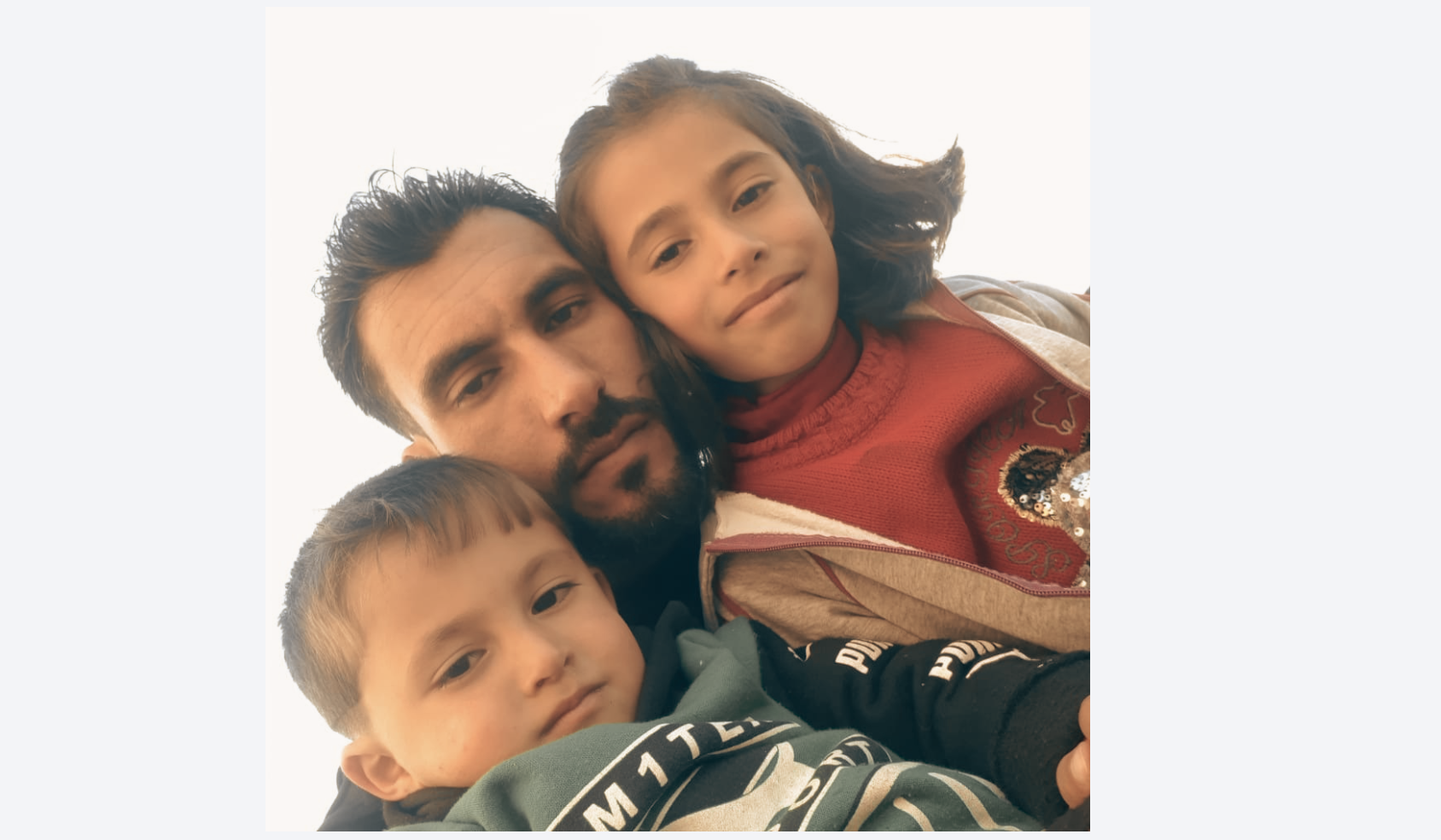
Maryam disappeared, So did the children, As if the road itself had swallowed them.
Mithkal says that at first, he could not understand what had happened.
He waited for hours at the Homs bus station, convinced the bus had simply been delayed.
But night came. And no one arrived.
Later, he returned to the crossing where the family had last been seen. There, he was shown surveillance footage confirming that Maryam had crossed into regime-controlled territory carrying the family documents, with the two children beside her.
“They were alive… I saw them with my own eyes on the cameras.”
It was the last trace of them ever seen.
Since that day, Mithkal’s life has become an endless search.
He sold what he owned.
Spent large amounts of money chasing rumors and false leads.
Moved between prisons, checkpoints, and security branches.
Searched through lists, photographs, hospitals, and unidentified bodies.
Nothing.
He says the loss was not only his family.
“I lost my home… my work… my health… everything.”
Mithkal once owned a small business in the Homs countryside. He stopped working completely after his wife and children disappeared.
Today, he lives alone, surrounded by photographs of two children he no longer knows are alive or dead.
Sometimes, he says, the waiting itself feels like another form of torture.
“I reached a point where I started wishing they were dead… just so I could know where they are.”