
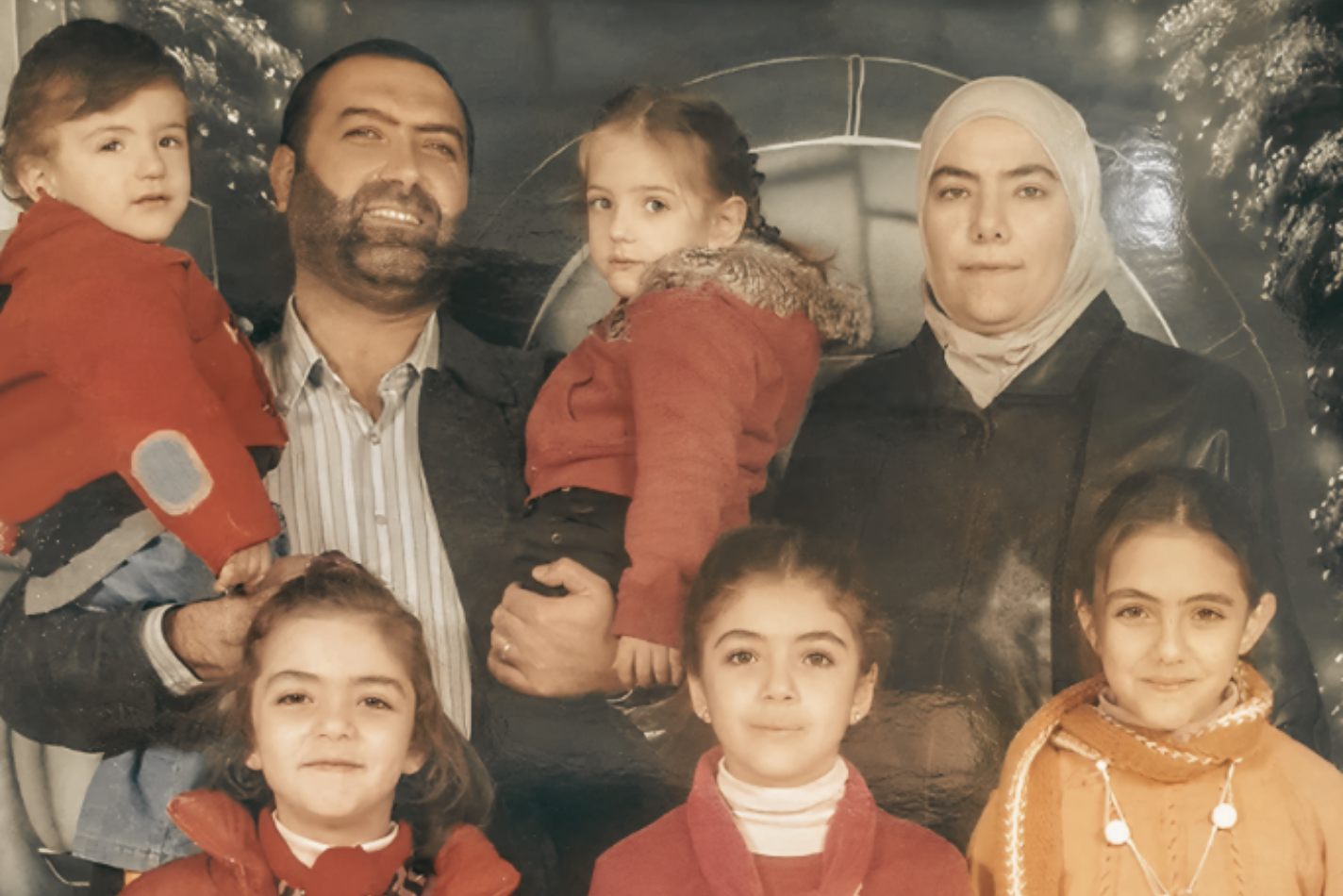
In 2013, Syrian dentist Rania al-Abbasi disappeared alongside her husband and six children inside the detention system of the former Syrian regime, becoming one of the country’s most well-known cases of enforced disappearance. Rania was not an ordinary figure. She was a respected dentist in Damascus, a former Syrian chess champion, and a mother of six children ranging in age from three to fifteen. The family lived in the Damascus neighborhood of Mashrou Dummar, far from any political activity. But as the Syrian war deepened, even ordinary families found themselves pulled into the machinery of arrest and disappearance. In March 2013, her husband, Dr. Abdulrahman, was arrested after reportedly being accused of assisting a wanted individual. Two days later, security forces raided the family home again and arrested Rania along with all six of her children: Dima, Intisar, Najah, Alaa, Ahmad, and Lian. None of them have been seen since. Over the years, fragments of information emerged from former detainees who claimed Rania had been held inside detention facilities, while reports also circulated about children being heard in nearby cells. Unconfirmed reports later suggested that Abdulrahman may have died under torture after leaked “Caesar” photos from Syrian prisons surfaced publicly. The fate of the six children, however, remains unknown. As the years passed, the case became a global symbol of Syria’s detainee and disappearance crisis, particularly because it involved the disappearance of young children inside the prison system. Human rights organizations, including Amnesty International, repeatedly called for answers about the family’s fate. Following the collapse of the former Syrian regime, the case resurfaced widely among activists and journalists demanding access to prison archives and information about thousands of missing Syrians….
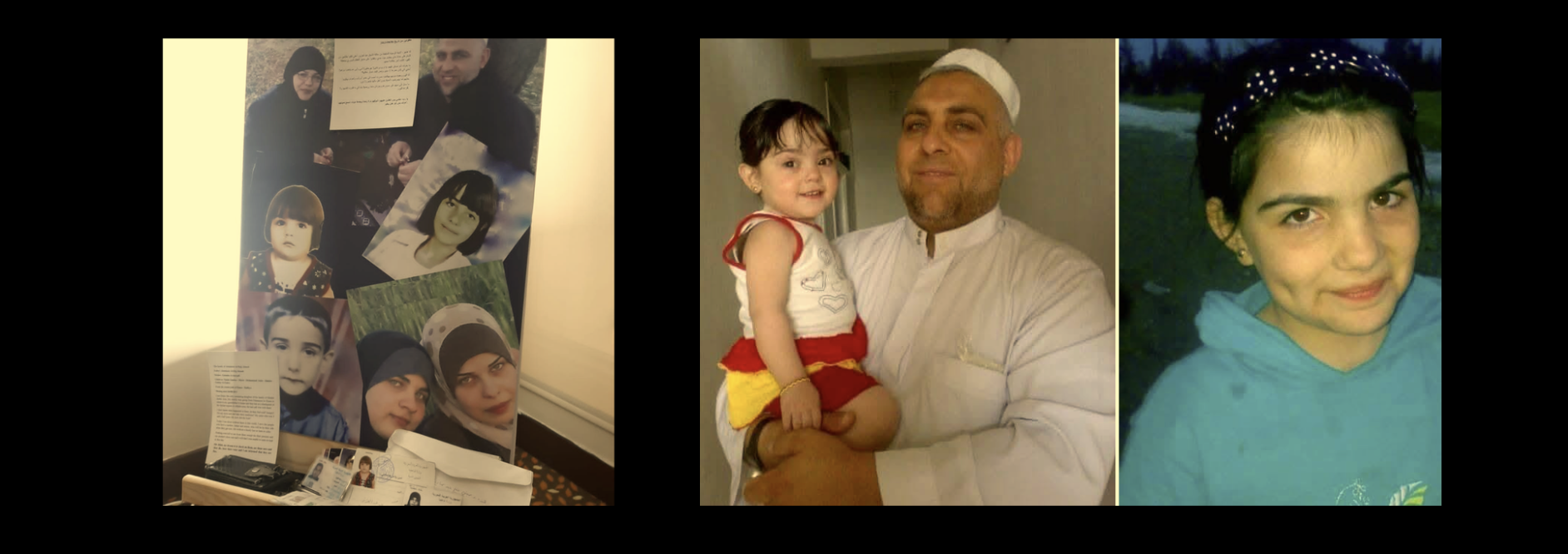
Hajar was the only survivor. At the beginning of the Syrian war, her family fled from Daraya to Sahnaya, escaping bombardment and fear. Like thousands of others, they were simply trying to survive, They stayed together until the summer of 2013.Until August 6 the day her entire family vanished. That day, Hajar was speaking to her sister on the phone, Suddenly, her sister’s voice changed. “They caught us at the checkpoint!” she screamed, Then the line went dead. Minutes later, every phone became unreachable, No one from the family has been seen since, Seven relatives disappeared together: Maria Haj Ahmad, three years old. Shaimaa Haj Ahmad, ten. Mohammad Amin Haj Ahmad, fifteen. Fatima al-Zahraa Haj Ahmad, seventeen. Sondos Haj Ahmad, nineteen. Along with their father, Abdul Aziz Naasan al-Haj Ahmad, and their mother, Zubaida Hafez al-Sayyadi, The family had been traveling from Damascus to their hometown of Halfaya in the Hama countryside to spend the Eid holiday. They never arrived. According to testimonies and field information, the family disappeared at the notorious Al-Qabou checkpoint between Hama and Homs, an area reportedly controlled at the time by militias linked to Shujaa al-Ali, affiliated with the former Syrian regime. A checkpoint feared for arrests, disappearances, and people who never returned. But for Hajar, none of the political details change the pain. Years have passed, and she is still searching. Not only for justice , but for an answer. “Even if they are dead,” she says quietly, “I just want to know what happened to them.”…
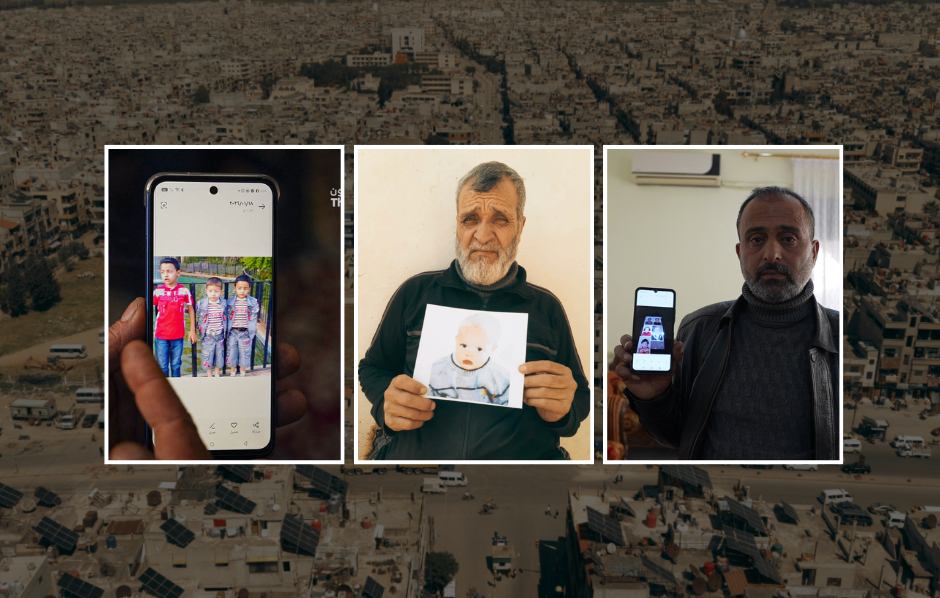
On April 7, 2013, three families traveling from Beirut were heading toward Idlib. It was supposed to be an ordinary journey, one that would end with a family reunion and a new life in Turkey. Instead, it ended at a checkpoint in Homs. From that moment on, the car disappeared, The driver disappeared, and everyone inside vanished without a trace. Nine children were among them: Ayham Sayed Issa, just eight months old. Triplets Ahmad, Abdullah, and Ibrahim Kanjo, eight years old. Ghina Sayed Issa, two years old. Yathrib Sayed Issa, six. Abdullah Sayed Issa, eight. Abdulhadi Sayed Issa, eleven. Aya Sayed Issa, sixteen. They disappeared alongside their mothers , and have never been seen again. Mohammad Kanjo, the father of the triplets, says it was the first disappearance case he had heard of in that area. He was waiting for his wife and children to arrive in Idlib before continuing together to Turkey — a journey that never happened. His three children had been born after nine years of waiting. Kanjo himself had worked for Syria’s Military Industrialization Authority before defecting. He still remembers the last phone call. “They told me they were at Al-Zahra checkpoint in Homs… then the line went dead. After that, all the phones were unreachable.” Later, while searching for answers through the Idlib governor’s office, he discovered other families looking for the same missing convoy. There, he met Abdulqader Sayed Issa, the father of five missing children, and Haitham Sayed Issa, father of baby Ayham. That was when the scale of the disappearances became clearer. Thirteen cars coming from Idlib had vanished in the same area. All carried Idlib license plates. None returned. Kanjo says he later spoke, through the governor’s office, with Wael al-Halqi, Syria’s former prime minister at the time. According to him, the response was blunt: “Go look for them with the terrorists. The terrorists took them.” More than thirteen years later, the families are still searching. For a document. A photograph. A grave. Mohammad Kanjo ends with words shaped by years of waiting: “We will keep remembering them until we die.”…
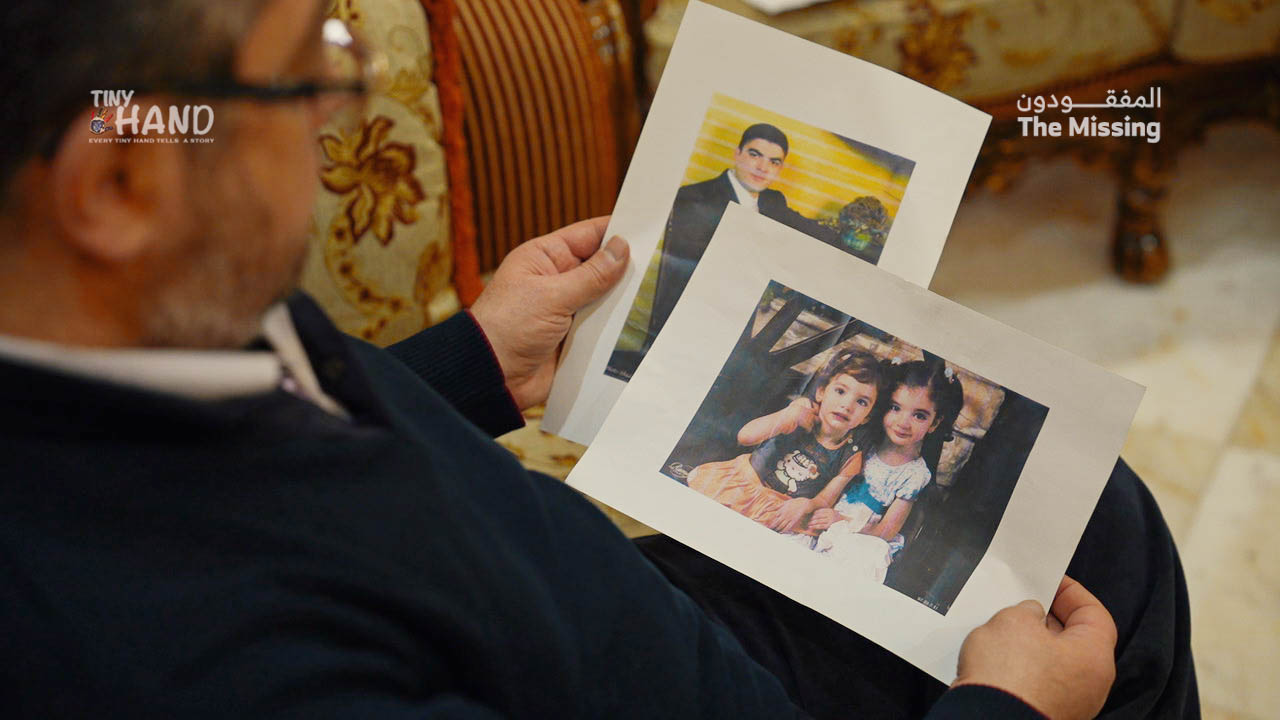
Aleppo, Syria For more than a decade, Zaher Alolaby has not stopped searching. “Since 2012, I have followed every possible path that could lead me to them,” he says. On October 28, 2012, during the Eid al-Adha holiday, his brother Hazem Alolaby, then 23, disappeared along with his wife Doaa Falaheh and their two daughters, Hala (born 2007) and Hadia (born 2009), after being stopped at a security checkpoint in Aleppo, according to the family. The journey was meant to take only minutes. It never ended. Zaher says the family later learned the four were transferred between multiple security branches, including State Security, Air Force Intelligence, and National Security in Damascus. Paying for Information Over the years, Zaher tried to obtain any information. “Even to know if he was alive, they wanted money,” he says. He describes paying large sums for vague updates or promises to deliver clothes and basic items to his brother in detention. “Once, they asked for millions just to tell me how he was.” He says he also handed over gold and cash through intermediaries and officers, with no clear outcome. Last Known Sighting The last reported sighting came in 2021, when a former detainee said he saw Hazem in a military hospital. Zaher says his brother suffered from a nerve condition in his leg, which may explain the transfer. Since then, there has been no information. Today, Hala would be 19, and Hadia 16, Their fate remains unknown. “I have no information… whether they are alive or dead,” Zaher says. He believes they may be in orphanages, based on limited and unconfirmed leads. Years of Dead Ends The family sought legal help and contacted officials, but received no definitive answers. “We just want the truth… where are they?” he says. During Syria’s conflict, tens of thousands of people have disappeared after detention or arrest, according to rights groups. Many cases remain unresolved due to lack of access to official records. Despite the years, Zaher has not given up. “I still have hope… to know where the girls are.”…